If you're buying your first proper Porsche, you're probably feeling two things at once: excitement, and a quiet worry that you'll say the wrong thing to a dealer, or buy the wrong spec, or miss something important. That's completely normal. I've guided plenty of first-time buyers through this, and the nervousness is always the same - and always fine.
This guide is the version of the conversation I'd have with you in person: generations explained honestly, the spec decisions that actually matter, what things really cost, and the mistakes I see people make most often.
Generations, explained honestly
When people say "911" they mean any of eight generations of the same idea, and the differences between them matter more than the badge on the back. I'd start by deciding what kind of ownership you actually want, not which model looks best in photographs.
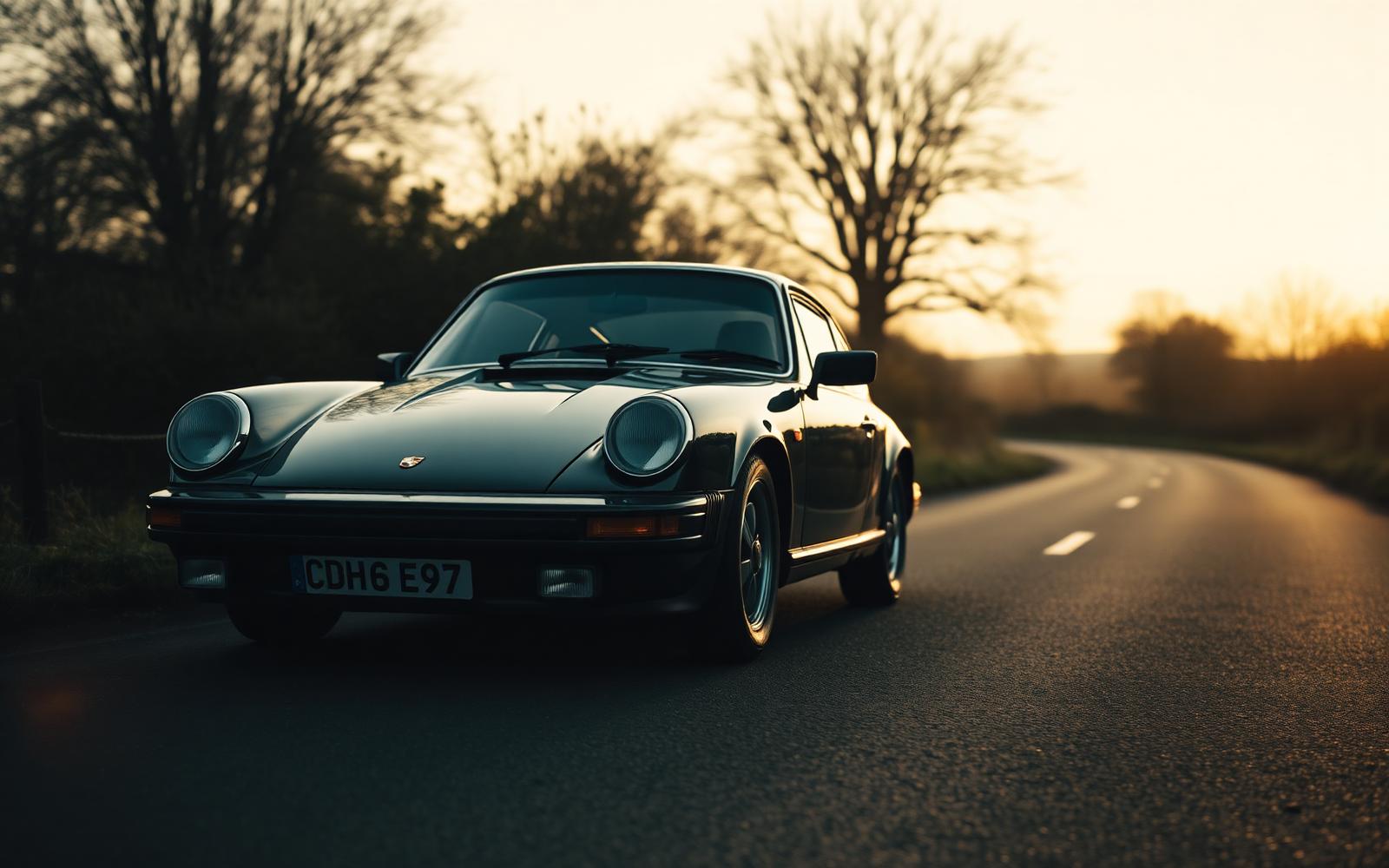
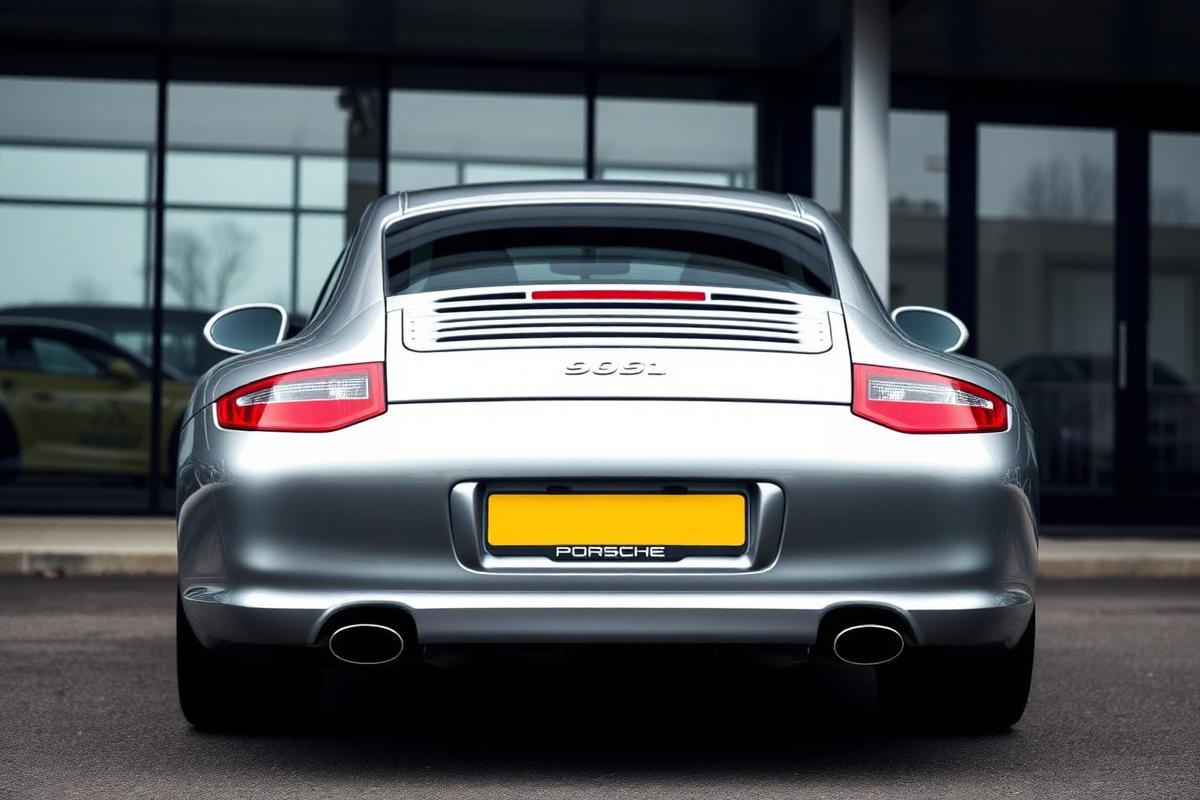
The 993 (1993–1998) is the last of the air-cooled cars. Beautiful, increasingly valuable, and honestly a bit of a commitment - parts and specialists are still there, but you should expect to spend on maintenance and you should want to. The 996 (1997–2004) is the first water-cooled 911, historically unloved, and quietly one of the best-value ways into the world if you buy carefully and understand the IMS conversation. The 997 (2004–2012) is, in my experience, the sweet spot for a first "proper" 911: modern enough to use every day, classic enough to feel like a 911, and now firmly on a rising curve for the right specs. The 991 (2012–2019) and 992 (2019–) give you the most usable, most rapid cars - and, until 2015, the last of the naturally aspirated flat-sixes in the base cars, which is worth knowing.
The spec decisions that actually matter
Colour and wheels are personal. The choices I'd tell you to focus on are the ones that shape the car underneath.
- Manual vs PDK / Tiptronic. A manual will hold value better on most modern 911s and is more involving. A PDK is genuinely brilliant and easier to live with in traffic. Pick honestly for how you'll actually use the car, not for resale.
- Coupé vs Cabriolet vs Targa. Coupés are the most sought-after and the stiffest. Cabriolets are lovely and typically 5–10% less to buy. Targas (post-991) are their own thing - beautiful, heavier, priced accordingly.
- Rear-wheel vs all-wheel drive. In the UK, I'd say rear-wheel drive is fine for most people. C4/C4S is genuinely useful if you'll drive the car year-round, or you live somewhere with real weather.
- Options that hold their value. Sports exhaust, sports seats, PASM, PCCB (with caveats), and the right wheel spec. Options that don't: heavy interior carbon and anything screamingly loud in colour on a base car.
"The best-spec car costs a bit more today and repays you every year you own it. The wrong-spec bargain is a slow, expensive lesson."
What things really cost
The purchase price is the beginning of the conversation, not the end. I'd budget for three things beyond the sticker: a proper pre-purchase inspection (£300–£600 depending on the specialist), a first-year service if the car isn't fresh out of one (a modern 911 minor service is typically £600–£900 at a good independent), and a sensible reserve for the unexpected - a few thousand pounds set aside for the first year of ownership, which most of the time you won't touch. Tyres, brakes, and the occasional coil pack are the usual honest costs on well-kept cars.
The mistakes I see most often
Nine times out of ten, the problem isn't the car - it's the process. In my experience, first-time buyers get themselves into trouble the same handful of ways:
- Buying on emotion at a viewing. If a car feels right, that's information, but it isn't a decision. Sleep on it.
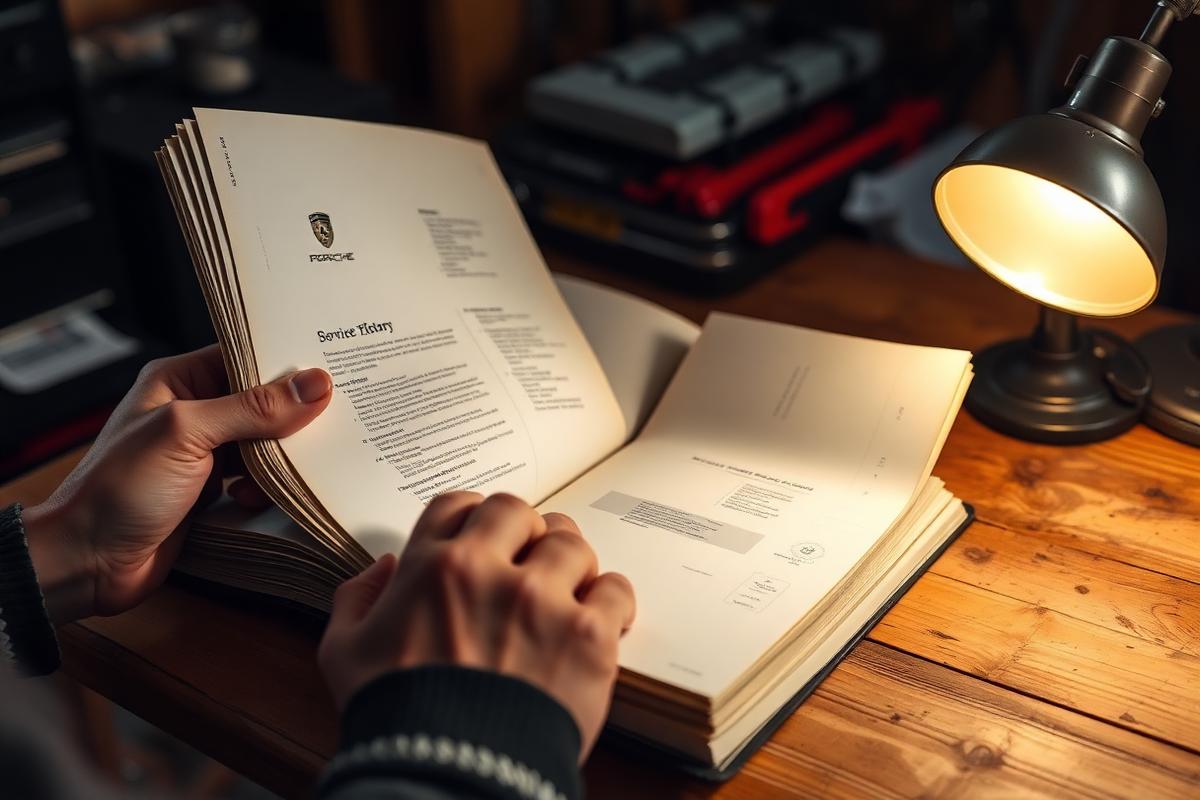
- Skipping the history file. A stamped service book is a start, not a story. You want invoices, MOTs, and any evidence of the big-ticket work that's already been done.
- Chasing mileage over condition. A well-kept 80,000-mile car is almost always a better bet than a stored 20,000-mile one.
- Ignoring the seller. Who you buy from matters as much as what you buy. A dealer or specialist who won't answer honest questions is telling you something.
The inspection process
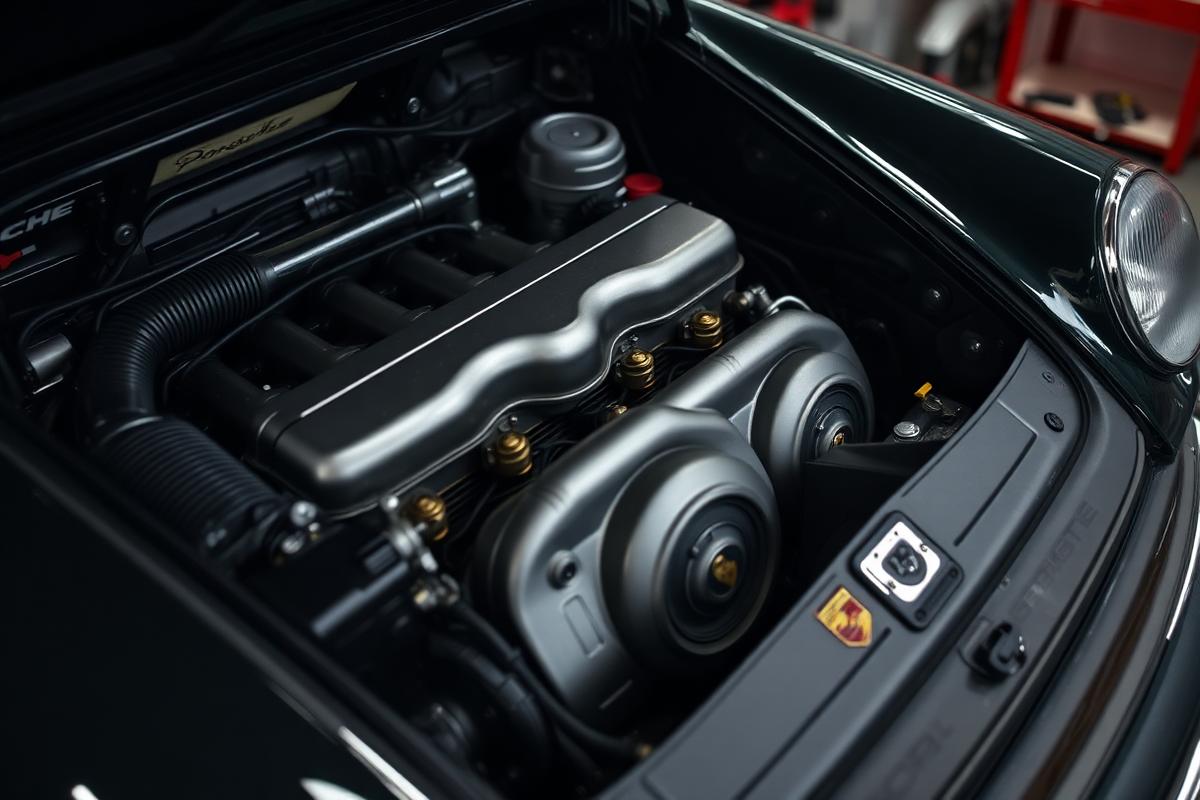
Even if you're buying from a specialist you trust, an independent pre-purchase inspection is money well spent - and any dealer worth buying from will encourage it. A good PPI covers the mechanical basics, a diagnostic scan, a bore-scope on the relevant engines, an underside check, and a compression / leak-down where sensible. You should get a written report with photographs. If the seller resists any of that, walk.
Warranty, explained
Warranties on used Porsches range from meaningful to almost useless, and the difference is entirely in the small print. The two questions I'd ask are: what's the claim limit (per claim, and in total), and what's specifically excluded. A manufacturer-backed warranty (Porsche Approved, on eligible cars) is the gold standard. A well-known third-party warranty from a reputable specialist is a fine middle ground. Anything with a £500 claim cap on a £60,000 car is, honestly, mostly decorative.
I've guided plenty of first-time buyers through this process. Here's what that actually looks like: patient explanation of anything you don't understand, honest pricing with nothing hidden, the full history file before you commit to anything, and a warranty that means something. If you want to talk it through, call me directly.